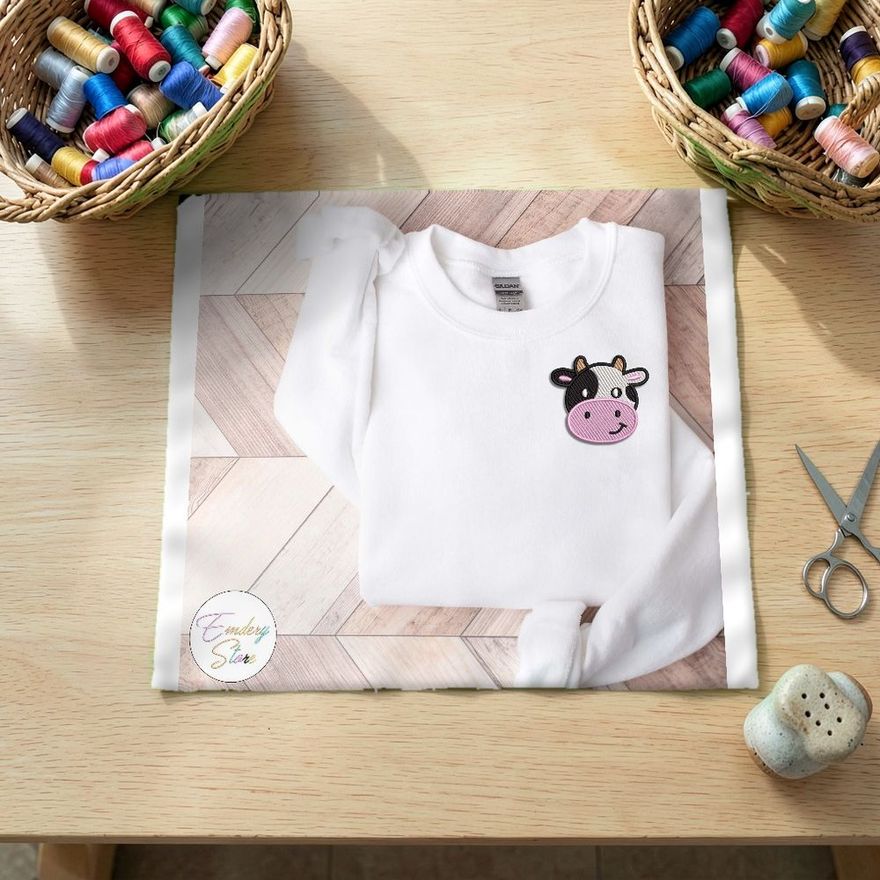
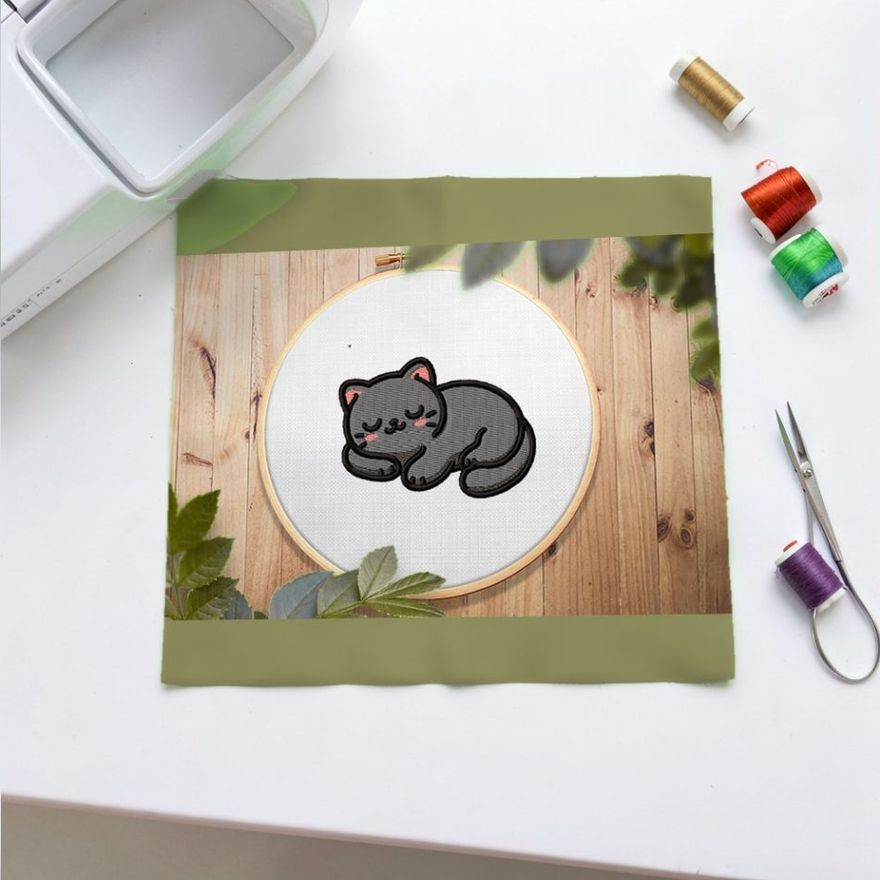
The easiest things to embroider are flat, woven and not stretchy: tea towels, napkins, tote bags, pillow fronts. Small pieces made from felt or vinyl come next, then towels with pile, and clothes last, because knit fabric is the hardest to keep still. The fifteen projects below follow that order, and each comes with the reason it is easy or hard.
The List at a Glance
| # | Project | Fabric | Backing | Level |
|---|---|---|---|---|
| 1 | Tea towel | Flour sack cotton | Light tear-away | Easy |
| 2 | Cloth napkin | Cotton or linen | Tear-away or wash-away | Easy |
| 3 | Tote bag | Canvas | Medium tear-away | Easy |
| 4 | Pillow cover | Cotton, linen, canvas | Tear-away | Easy |
| 5 | Quilt block | Quilting cotton | Tear-away or batting | Easy |
| 6 | Patch | Twill or felt | Wash-away or tear-away | Easy |
| 7 | Felt ornament | Felt | Tear-away | Easy |
| 8 | Key fob | Vinyl | Tear-away | Easy |
| 9 | Bookmark | Felt, vinyl or cotton | Tear-away or wash-away | Easy |
| 10 | Zipper pouch | Cotton or vinyl | Tear-away | Medium |
| 11 | Hand towel | Terry | Tear-away plus film topper | Medium |
| 12 | Bib or burp cloth | Terry, knit, flannel | Depends on fabric | Medium |
| 13 | Applique sweatshirt | Fleece knit | Medium cut-away | Medium |
| 14 | Denim jacket | Denim | Tear-away or cut-away | Medium |
| 15 | T-shirt or onesie | Jersey knit | No-show mesh cut-away | Harder |
Flat Woven Projects: 1 to 5
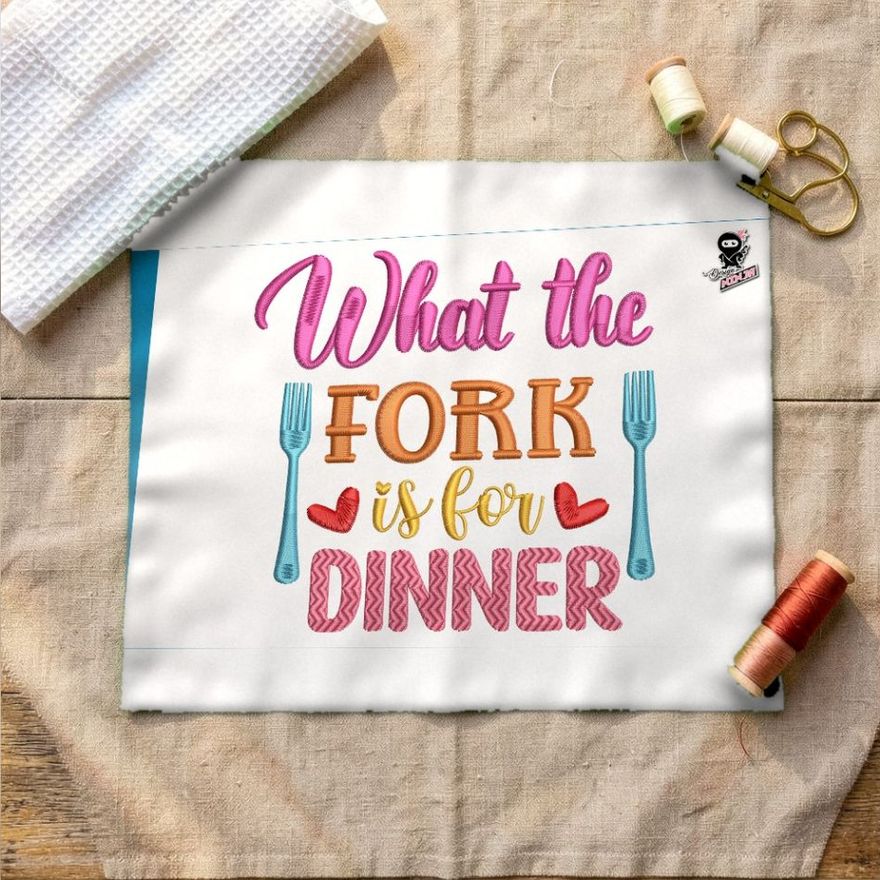
1. Tea towels. A flour sack towel is flat, cheap and easy to hoop, which makes it the standard first project. The fabric is thin, so choose light, open designs: line-art quotes, redwork, sketch-style motifs. A solid fill will pucker it. Prewash and dry the towel first, because flour sack cotton shrinks. Embroidery Library suggests a 75/11 sharp needle here in place of the usual embroidery needle, since its finer point makes the smallest holes in thin fabric and tear-away.
Short kitchen quotes and single-color redwork are the kind of design that sits well on fabric this thin.

Funny Kitchen Quote Embroidery
See the listing ↗
Cozy Season Redwork Embroidery
See the listing ↗
Funny Duck Quote Embroidery Design
See the listing ↗From the collection Quote & Towel Embroidery. New Creative Fabrica members get 10 free downloads, and any of these can be one of them.
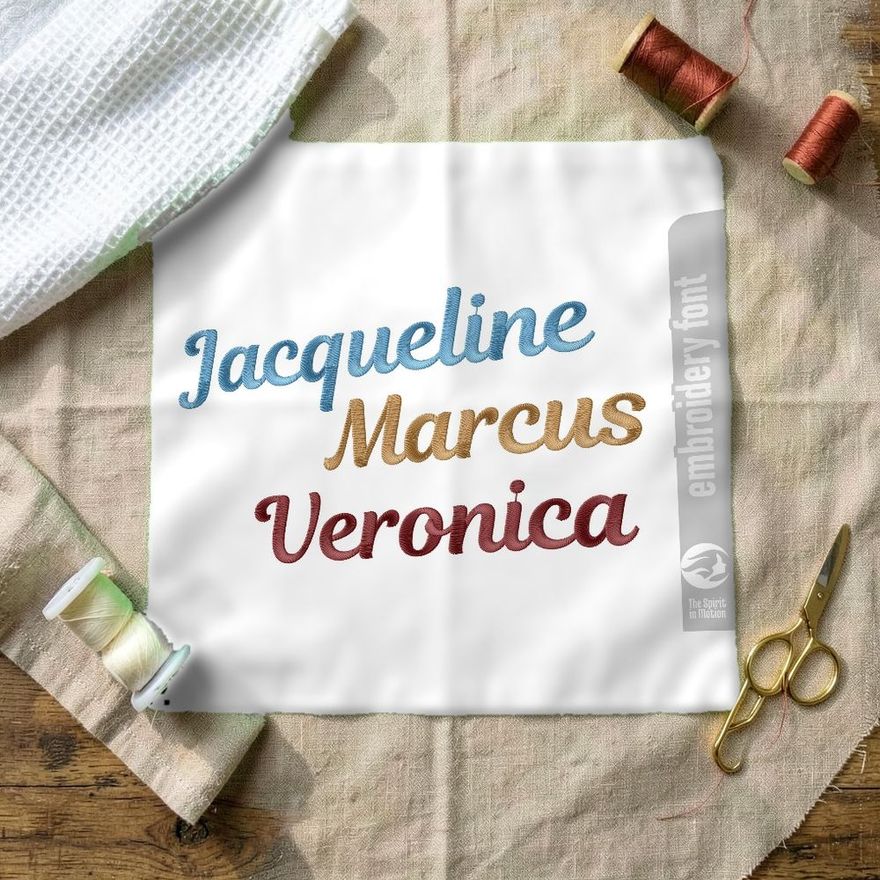
2. Cloth napkins. A single initial in one corner, 1 to 2 inches tall, is a few minutes of stitching and turns a plain set into a gift. The back of a napkin is seen, so use a tear-away that removes cleanly or a fibrous wash-away. Our guide to monogram etiquette covers which letter and how large.
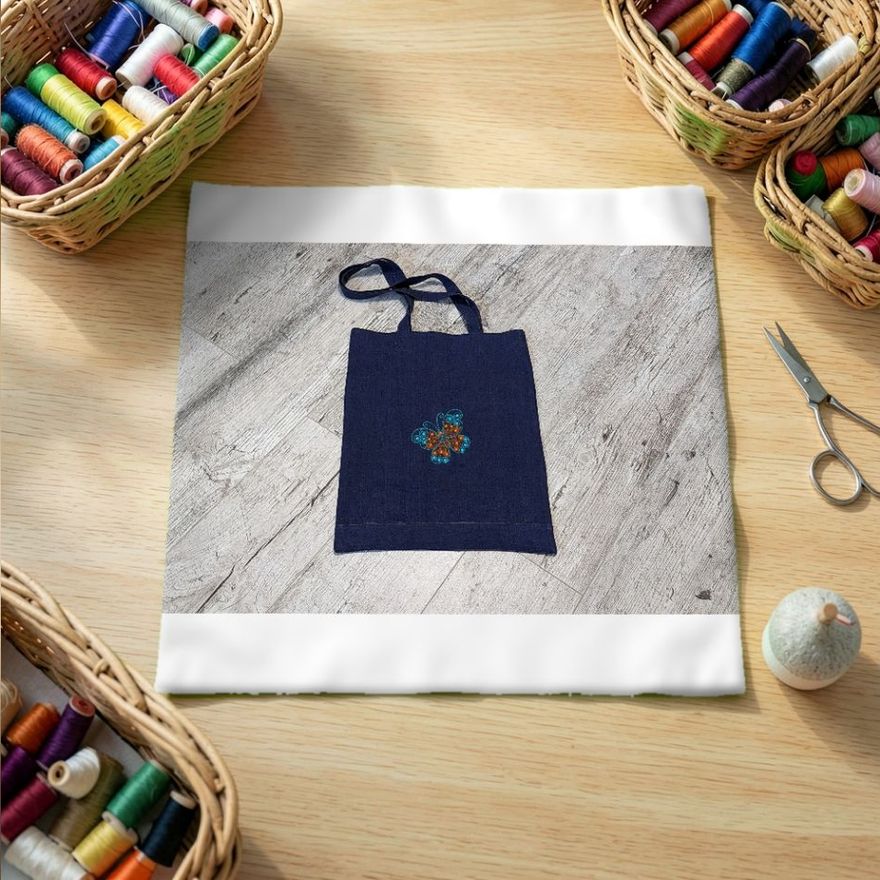
3. Tote bags. Canvas barely moves, so it tolerates dense designs. The difficulty is physical: you have to hoop one layer of a finished bag and keep the handles and the back layer out of the way. Turn the bag inside out or fold and clip the extra fabric, and check under the hoop before starting. Heavy canvas wants a 90/14 needle, the size machine manuals name for thick fabric.
4. Pillow covers. Embroider the front panel while it is still a flat piece of fabric, then sew it into an envelope cover. Working flat means you can place a large design exactly in the center with no seams in the way.
5. Quilt blocks. Quilting cotton with tear-away is as predictable as embroidery gets. Cut each block larger than its finished size, embroider, then trim to size with the design centered. Twelve small motifs from one bundle, set three by four, make a baby quilt top.
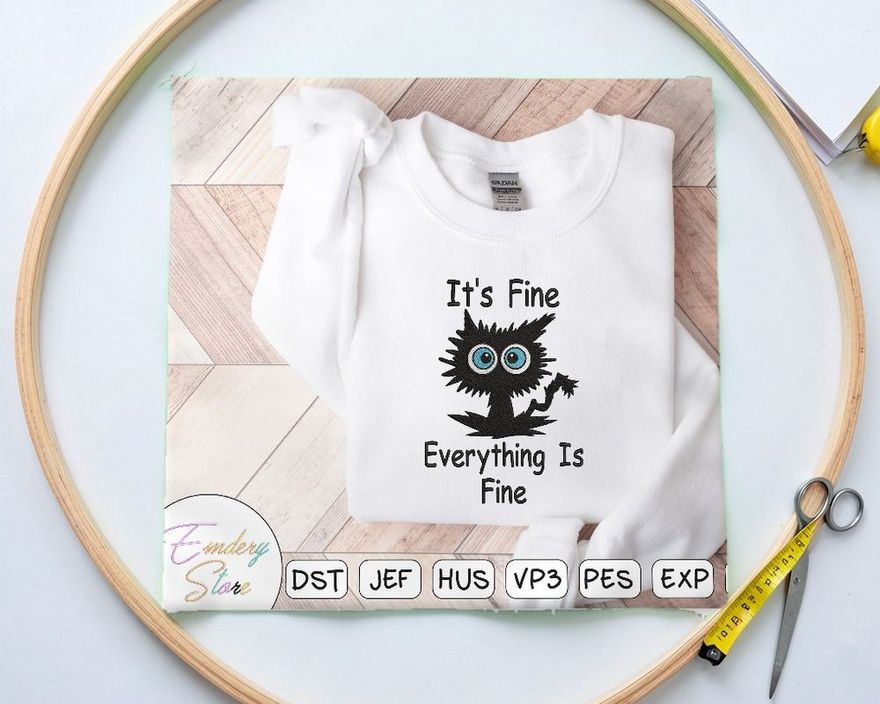
Small Makes From Felt and Vinyl: 6 to 10
6. Patches. A patch is a design stitched on twill or felt with a dense satin border, then cut out and backed with iron-on adhesive film. Patches solve a real problem: they go on things you cannot hoop, such as backpacks, caps and thick jackets. Hooping fibrous wash-away stabilizer is a common way to get a clean edge, since what is left around the border rinses out.
A set of small motifs lets you fill a jacket or a backpack with patches that belong together.

Garden Spring Embroidery Patch Set
See the listing ↗
Farm Animal Embroidery Patch Set
See the listing ↗
Sleeping Cat Embroidery Patch Grey
See the listing ↗From the collection Embroidery Patches. New Creative Fabrica members get 10 free downloads, and any of these can be one of them.
There are more in the embroidery patches collection, most of them animals for children's things.
7. Felt ornaments. Felt does not fray, so an ornament is two layers stitched together and cut around. They use scraps, fit the smallest hoop and can be made in batches before the holidays.
8. Key fobs. These are the classic in-the-hoop project: vinyl floated on hooped stabilizer, a second layer taped underneath, a final outline and a snap. No sewing machine needed.
9. Bookmarks. Flat and narrow, made the same way as fobs or stitched in cotton and turned. A good use for fabric too small for anything else.
10. Zipper pouches. The machine installs the zipper and sews the seams, and you turn the pouch right side out at the end. They are rated medium only because the order of steps matters; in-the-hoop projects explained goes through it.
Towels and Baby Things: 11 and 12
11. Hand towels. Terry loops swallow stitches, so a towel needs a water-soluble film on top and a design with some weight to it. The conventional monogram for a hand towel is about 3 inches tall, with its lower edge 2 inches above the hem. Thick towels are also awkward to hoop. Neither problem is difficult once you know the method, which is in how to embroider towels.
12. Bibs and burp cloths. Small, quick and always welcome. The fabric varies: terry bibs are treated like towels, knit ones like T-shirts, and cloth-diaper burp cloths have a thick center panel that takes a name well. Keep embroidery on baby items flat and soft, with nothing attached that could come loose, and consider a soft fusible cover over the back of the stitches.
Clothes: 13 to 15
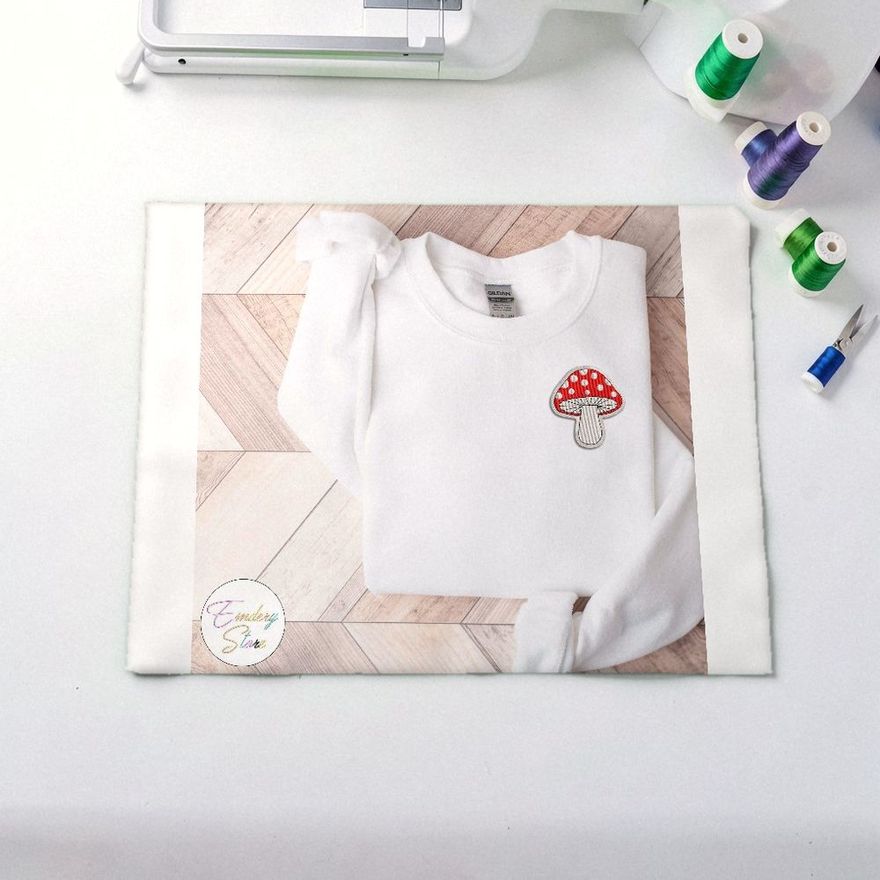
13. Applique sweatshirts. A sweatshirt is a knit, so it needs cut-away stabilizer, but the fabric is thick and far more stable than a T-shirt. Applique suits it because large letters stay soft. Hoop only the front layer and roll the rest of the garment out of the way. The steps are in how to do machine applique.
14. Denim jackets. Denim is as stable as canvas. What makes a jacket harder is its construction: thick seams, pockets and yokes limit where a hoop can close. The upper back and the chest above the pocket are the usual spots; one common placement chart centers a back design 6 to 8 inches below the collar. Use a 90/14 needle and slow down over seams.
15. T-shirts and onesies. Thin jersey stretches in every direction and shows every mistake. Use no-show mesh cut-away, fuse or spray it to the shirt, never stretch the knit in the hoop, and choose light designs; a dense fill makes a stiff patch that pulls the fabric around it. A onesie adds the problem of size, since there is barely room to hoop. Float it on sticky stabilizer instead.
Seasonal Versions of the Same Projects
Most of the list repeats through the year with a different design. A tea towel, a felt ornament, a tote and a sweatshirt cover nearly every holiday if you swap the motif, and you already know how each fabric behaves.
Christmas is the busiest season for it. Towels, stockings, ornaments and pillow covers all take a holiday design, and small motifs such as snowflakes can be scattered over napkins or a table runner.

Deer and Snowflakes Christmas Embroidery
See the listing ↗
Cozy Winter Christmas Embroidery Design
See the listing ↗
Believe Christmas Embroidery
See the listing ↗From the collection Christmas Machine Embroidery. New Creative Fabrica members get 10 free downloads, and any of these can be one of them.
Check the stitched size on each listing against your hoop before downloading, since a design sized for a pillow will not fit a 4x4 field.
How to Choose a Design for the Fabric
Three rules prevent most disappointments.
- Thin fabric, light design. Tea towels, napkins and T-shirts want open stitching. Save dense fills for canvas, denim, twill and sweatshirt fleece.
- Pile needs coverage. On terry and fleece, thin lines disappear. Choose fills and satin lettering.
- Size the design to the item, not to the hoop. A design that fills a 5x7 hoop is too large for a napkin corner and too small for a jacket back.
Blanks to Stitch On
The first projects on the list are ready-made items that only need a design. Plain cotton blanks and felt are the easiest place to start.
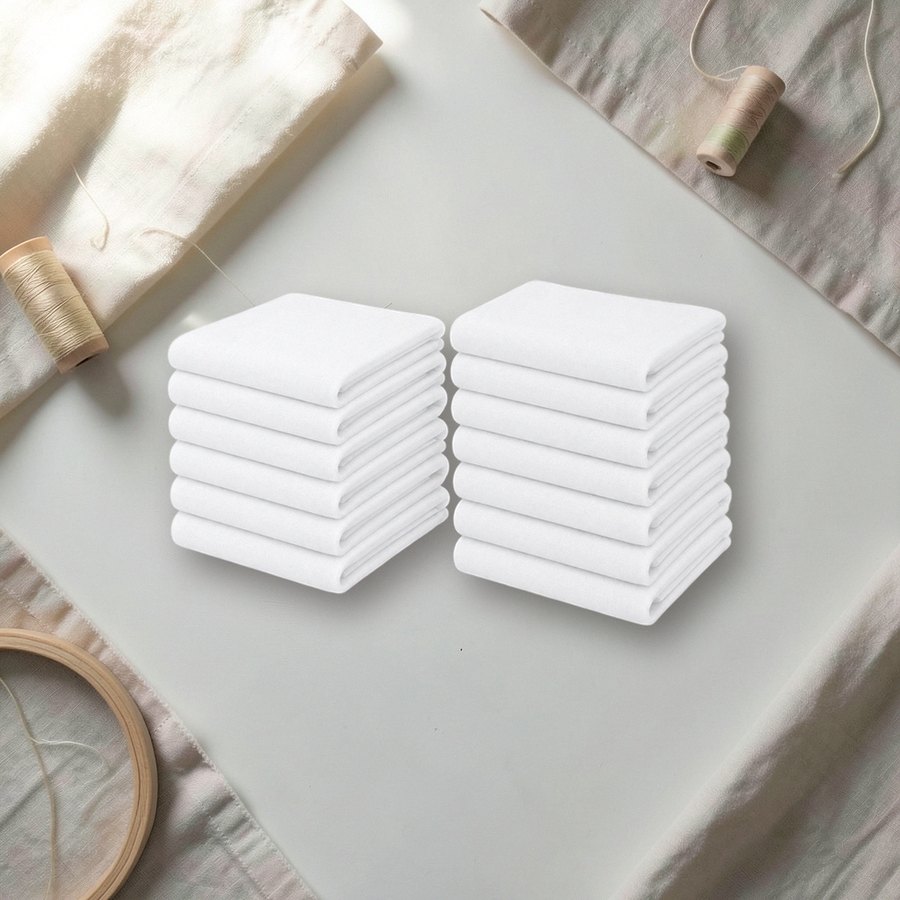 White flour sack towelsAunti Em's KitchenSee it on Amazon
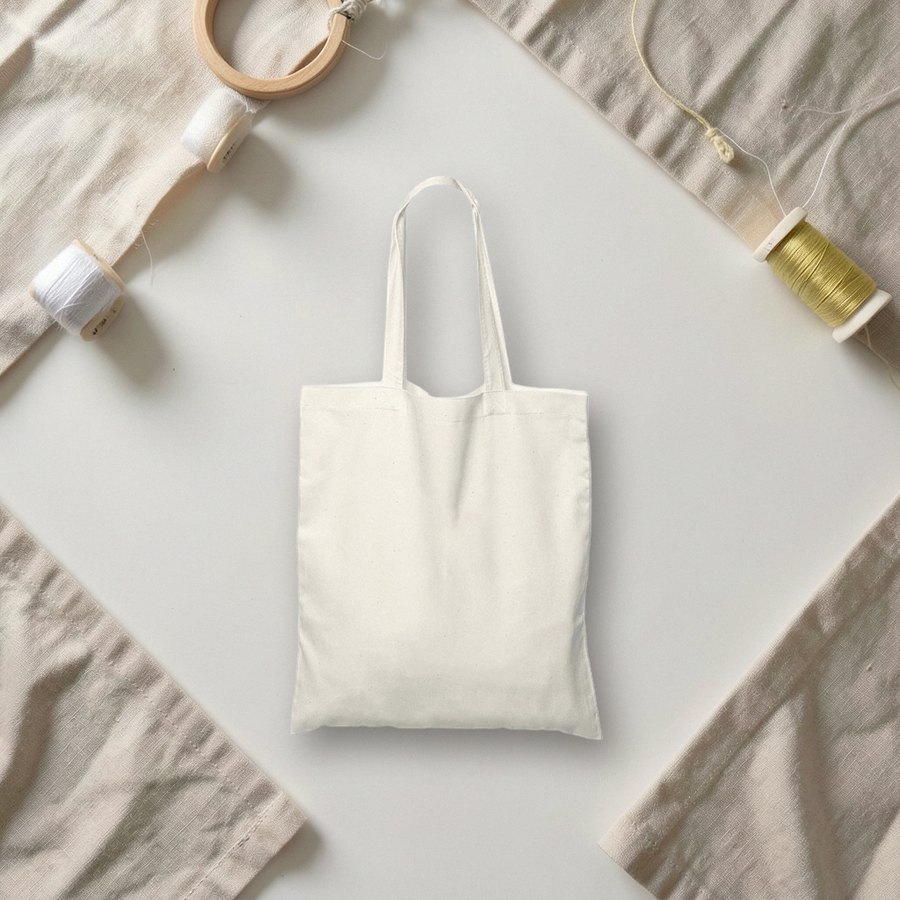 Plain cotton tote bagsNPBAGSee it on Amazon
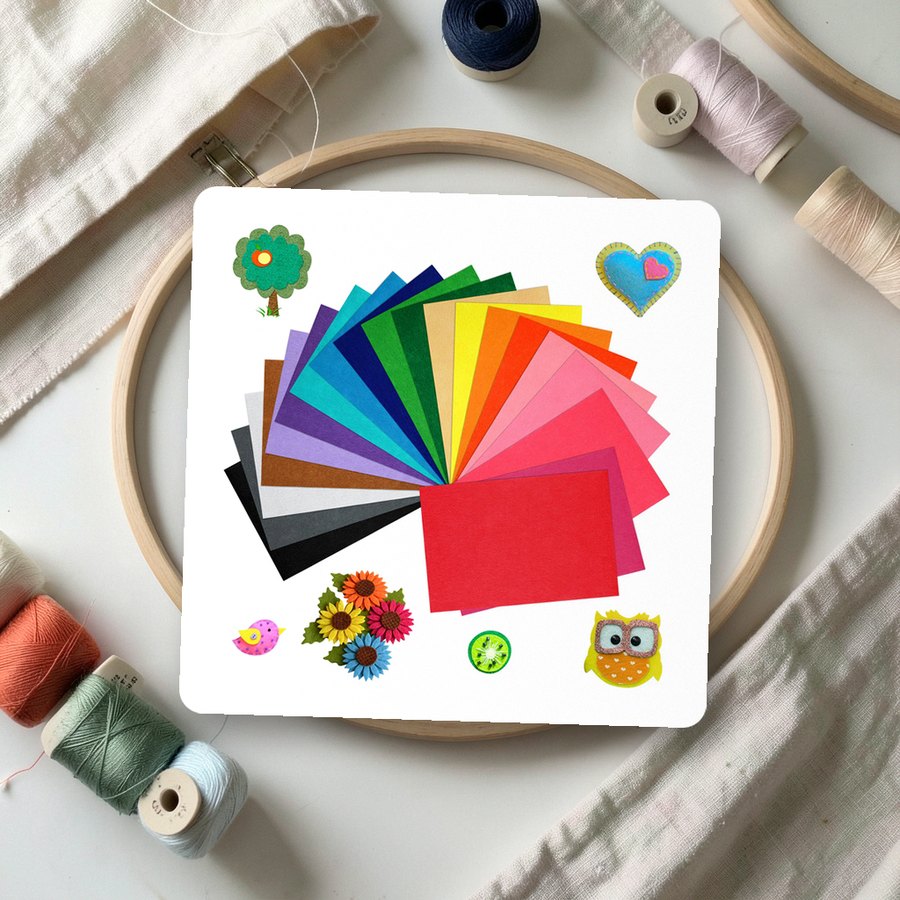 Craft felt sheets, 8 x 12 inchBOUBONISee it on Amazon
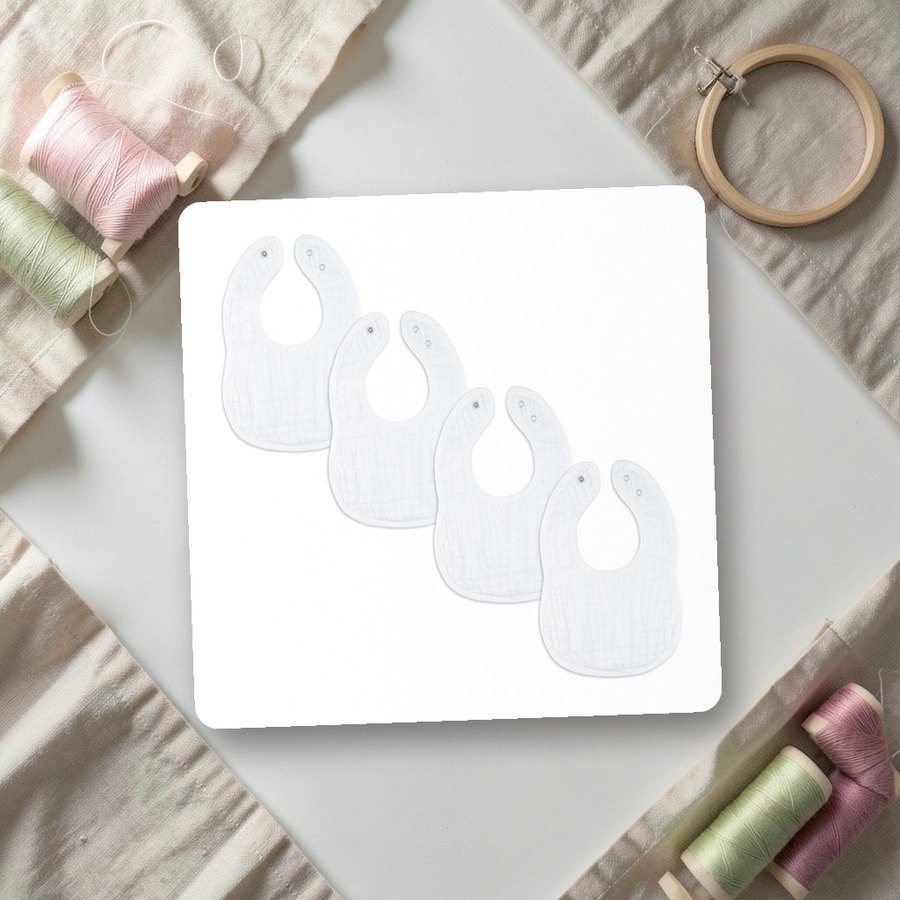 White muslin baby bibsComfy CubsSee it on Amazon
As an Amazon Associate we earn from qualifying purchases.
Pick One and Stitch a Test
Choose a project from the first five, find a scrap of the same fabric, and stitch the design on the scrap with the backing from the table. If it lies flat and the outlines line up, stitch the real one. If it puckers, change the stabilizer or the design before you change anything else.
Collections This Guide Draws On
 Quote & Towel Embroidery11 hand-picked · open the collection →Embroidery Patches13 hand-picked · open the collection →
 Christmas Machine Embroidery13 hand-picked · open the collection →